
Blog
- posted: Jan. 23, 2026
- Personal Injury
Winter in Northern Indiana can be both beautiful and treacherous. When snow and ice make walking hazardous, we rely on businesses, government bodies and homeowners to clear a safe path. Valparaiso and many other Indiana municipalities have rules mandating how and when snow must be removed from sidewalks. Unfortunately, some property owners fail to take reasonable safety measures, resulting in serious slip and fall injuries.
When a person gets hurt due to a hazardous condition on someone else’s property, the victim might be able to recover damages under Indiana premises liability law. Falling on the hard surface of a sidewalk or parking lot could cause broken bones, ligament damage, traumatic brain injuries and other types of harm. Accordingly, compensation for medical bills, lost wages, pain and suffering and other damages can be quite extensive in a slip and fall case.
A plaintiff usually must show that the property owner knew, or should have known, that the accumulation of snow or ice presented an injury risk, and then failed to act within a reasonable time. How long it took for the defendant to clear the walking surface could be key evidence in a personal injury claim arising from a winter fall. Though ordinances concerning deadlines for clearing sidewalks after a weather event might be cited by one side or the other, they are not necessarily dispositive in civil actions.
Evidence could include testimony, photographs and video showing if the area where the injury occurred was shoveled, salted or sanded. Other factors can increase the likelihood of an injury in slippery conditions as well, such as poor drainage and inadequate lighting. If circumstances prevented a property owner from fully clearing a path, they still could be held legally liable because they didn’t take some other action to prevent an injury, such as putting up a sign or cones to guide pedestrians away from the unsafe surface.
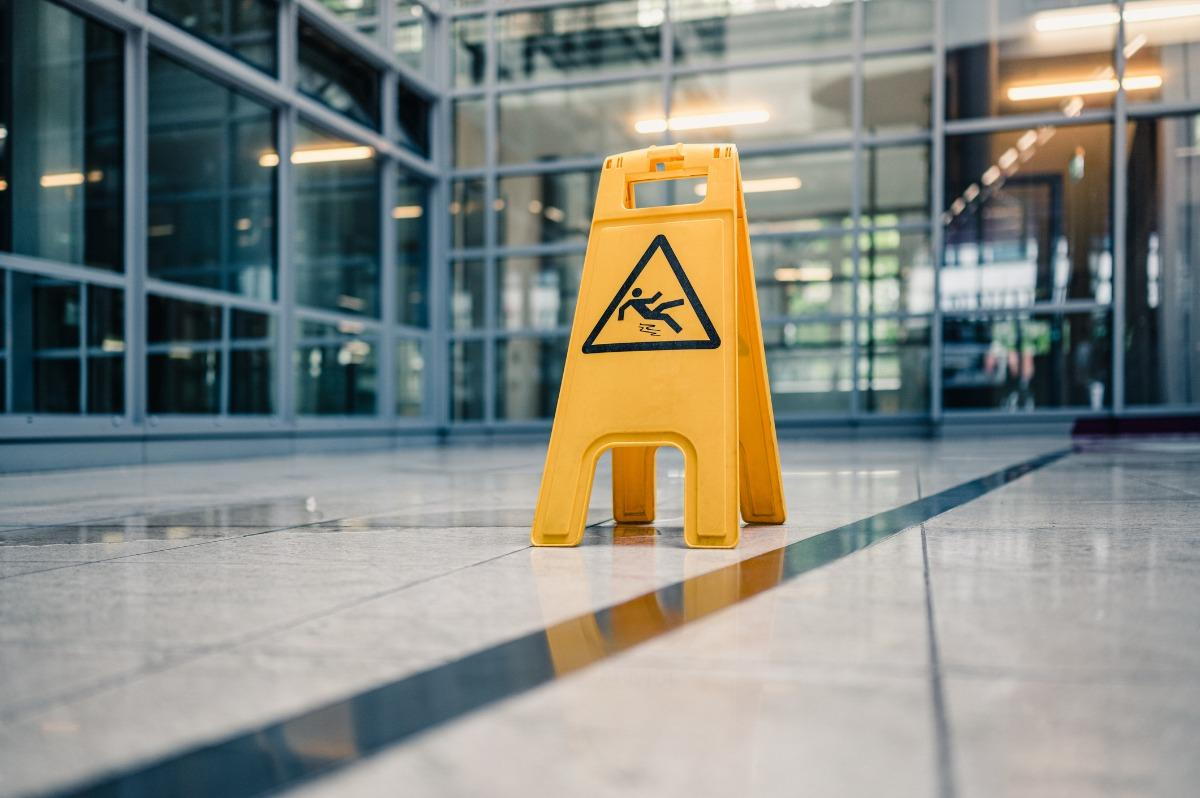
Slip and fall injuries related to cold and wet weather can even occur indoors. Stores and other businesses with heavy foot traffic need to make sure that melted ice and snow does not create a danger near entrances and exits.
Blachly, Tabor, Bozik & Hartman, LLC in Valparaiso represents Indiana clients in premises liability claims stemming from winter conditions and other personal injury actions. Please call {PHONE} or contact us online to speak with partner Colby A. Barkes in a free initial consultation.
- posted: Jan. 23, 2026
- Personal Injury
Winter in Northern Indiana can be both beautiful and treacherous. When snow and ice make walking hazardous, we rely on businesses, government bodies and homeowners to clear a safe path. Valparaiso and many other Indiana municipalities have rules mandating how and when snow must be removed from sidewalks. Unfortunately, some property owners fail to take reasonable safety measures, resulting in serious slip and fall injuries.
When a person gets hurt due to a hazardous condition on someone else’s property, the victim might be able to recover damages under Indiana premises liability law. Falling on the hard surface of a sidewalk or parking lot could cause broken bones, ligament damage, traumatic brain injuries and other types of harm. Accordingly, compensation for medical bills, lost wages, pain and suffering and other damages can be quite extensive in a slip and fall case.
A plaintiff usually must show that the property owner knew, or should have known, that the accumulation of snow or ice presented an injury risk, and then failed to act within a reasonable time. How long it took for the defendant to clear the walking surface could be key evidence in a personal injury claim arising from a winter fall. Though ordinances concerning deadlines for clearing sidewalks after a weather event might be cited by one side or the other, they are not necessarily dispositive in civil actions.
Evidence could include testimony, photographs and video showing if the area where the injury occurred was shoveled, salted or sanded. Other factors can increase the likelihood of an injury in slippery conditions as well, such as poor drainage and inadequate lighting. If circumstances prevented a property owner from fully clearing a path, they still could be held legally liable because they didn’t take some other action to prevent an injury, such as putting up a sign or cones to guide pedestrians away from the unsafe surface.
Slip and fall injuries related to cold and wet weather can even occur indoors. Stores and other businesses with heavy foot traffic need to make sure that melted ice and snow does not create a danger near entrances and exits.
Blachly, Tabor, Bozik & Hartman, LLC in Valparaiso represents Indiana clients in premises liability claims stemming from winter conditions and other personal injury actions. Please call {PHONE} or contact us online to speak with partner Colby A. Barkes in a free initial consultation.
Contact the Firm

